


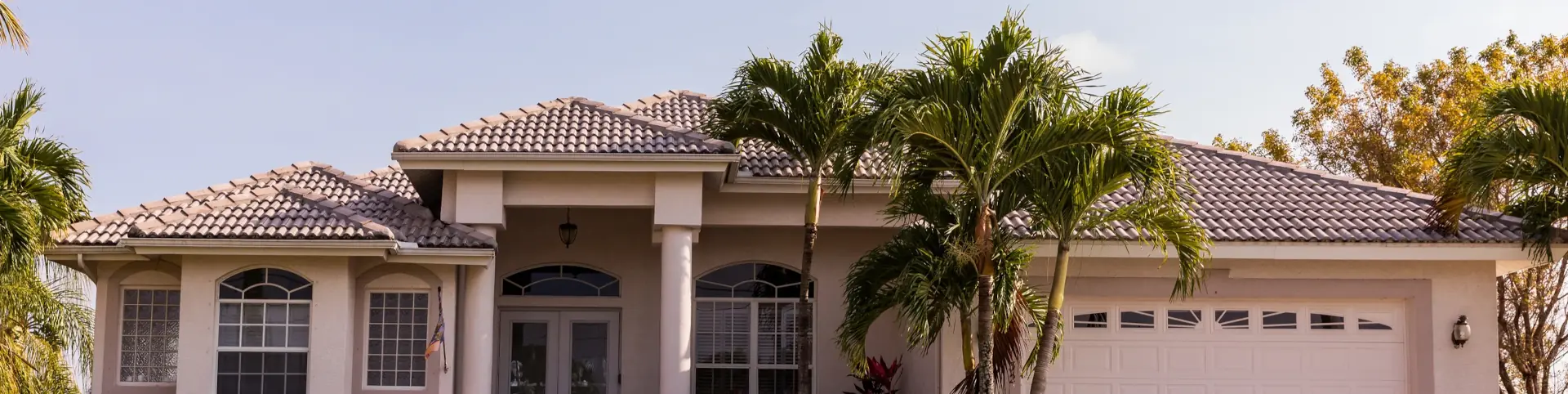

How Do I Know If My Roof Is Leaking?
Learning how to spot and fix a roof leak early can save Tampa homeowners thousands of dollars. A small drip may look harmless, but it can quietly damage your ceilings, walls, and foundation. Here in Florida, where heavy rain and humidity are part of daily life, your roof takes a beating all year long. The good news is that most leaks give off warning signs before they turn into a big problem. If you know what to watch for, you can act fast and avoid a costly repair.
What Are the Early Warning Signs of a Roof Leak?
Your home usually tells you when something is wrong. These are the most common signs of a roof leak that homeowners in the Tampa Bay area notice first.
Musty or Foul Smell in Your Home or Attic
Your nose often catches a leak before your eyes do. If you notice a musty smell that lingers for days, do not ignore it. That odor usually shows up when you run the air conditioning or open the windows for fresh air. It comes from damp insulation soaking up water from above. Head up to your attic and check for wet spots, dark stains, or that heavy, moist smell near the roof deck.
Water Stains or Discoloration on Ceilings and Walls
A water stain is one of the clearest signs of trouble. Most people picture a big brown ring on the ceiling, but not every stain looks like that. Some hide in dark corners or behind furniture. Pay attention to the small spots too, because a tiny mark can point to a larger leak above it. Any yellow or brown discoloration on your walls or ceiling is worth a closer look.
Mold or Mildew Growth, Indoors and Outside
Florida humidity makes mold a real concern. Indoor mold can lead to health issues such as asthma and respiratory infections. Once a month, take a few minutes to check hidden spaces, vents, and light or fan fixtures for any growth. Mold or moss on your exterior walls often means your gutters or downspouts are leaking. When water does not drain properly, you may see erosion and moisture building up near the base of the house.
Dripping Sounds and Lingering Moisture
If you hear a steady drip and it is not the faucet or shower, treat it as a red flag. Constant dripping often points to water sneaking in through the roof. Even if the moisture on your walls dries up and disappears, get it checked. Trapped moisture causes permanent damage over time, so it is smart to investigate deeper rather than wait and hope.
What Causes Roof Leaks in Florida Homes?
Storm Damage, Heavy Rain, and High Humidity
Tampa weather is hard on roofs. Hurricane season brings strong winds, heavy downpours, and flying debris that can lift or crack shingles. Wind driven rain also forces water sideways under shingles and flashing, reaching spots that normal rain never touches. Our year round humidity speeds up wear too, breaking down roofing materials, drying out sealants, and warping wood faster than in drier climates. The blazing summer sun bakes the roof by day, then afternoon storms cool it fast, and that constant expanding and shrinking loosens nails and seams. After a big storm rolls through, it is always wise to look for new leaks or damage, even if your roof seems fine from the ground.
Damaged Shingles, Flashing, and Clogged Gutters
Many leaks start with worn or missing shingles, cracked flashing around vents and chimneys, or gutters packed with leaves and debris. Skylights, pipe boots, and roof valleys are other weak points where seals break down and let water slip in. When gutters clog, water backs up and finds its way under the roofline, rotting the fascia and soaking the attic. These are some of Florida’s most common roofing problems, and catching them early keeps small issues from turning into major repairs.
How Do You Find the Source of a Roof Leak?
Inspecting Your Attic Step by Step
Start inside with a flashlight on a day when it is not raining. Look along the roof deck and rafters for water stains, dark streaks, or soft, damp wood that gives a little when you press it. Check around chimneys, vents, and pipes, since these openings leak most often. Feel the insulation for damp or matted spots, and watch for any daylight peeking through the roof boards. Follow any trail of moisture upward, since water often travels along beams before it drips. A little patience here helps you pin down the real entry point. You can also inspect the attic for possible damage using a simple step by step approach.
Checking the Roof Exterior Safely
From the ground, scan for curled, cracked, or missing shingles and any gaps around flashing. If you must get on the roof, wait for a dry day and use a sturdy ladder with a helper nearby. Honestly, climbing a wet Florida roof is dangerous, so many homeowners feel safer leaving the exterior check to a pro. Watch for surprising signs that your roof may be damaged while you look.
How to Fix a Roof Leak and Temporary Fixes Until Help Arrives
Once you find the source, a permanent fix depends on the cause. Small issues may only need new shingles, fresh sealant, or replaced flashing. Until a roofer arrives, you can limit the damage with a few quick steps:
- Place a bucket under active drips and move furniture out of the way.
- Gently poke a small hole in a bulging ceiling to let trapped water drain safely.
- Cover the damaged area with a tarp if it is safe to reach.
- Take clear photos for your insurance records.
When Should You Call a Professional Roofer?
Call a roofing contractor when you see widespread staining, sagging ceilings, repeated leaks, or any damage after a storm. A leak can cause hidden cracks and rot that spread fast, so quick action matters. If you spot any sign of roof leakage, contact your home insurance provider too. Florida policies often cover sudden water damage from storms, and good photos help your claim move along.
How to Prevent Future Roof Leaks
The roof protects your whole home, so it deserves regular care. Schedule a professional inspection once or twice a year, especially before and after hurricane season. Keep your gutters and downspouts clean so rain drains away from the house instead of backing up under the shingles. Trim branches that hang over the roof, since rubbing limbs scrape away the protective layer and falling debris can crack tiles. Replace worn or missing shingles before the rain finds them, and reseal flashing around vents, skylights, and chimneys. Make sure your attic has good airflow, because trapped heat and moisture age a roof from the inside out. A little upkeep now helps you avoid spending thousands on major repairs later.
Need Roof Leak Repair in Tampa, FL? Avatar Roofing Can Help
If you need a roof inspection, repair, or full replacement, the team at Avatar Roofing is here for you. We are a Tampa, FL based company that offers honest, affordable roofing services for homeowners across the Tampa Bay area. A small leak can grow fast in Florida weather, so reach out today and let us help you protect your home before the next storm.
Picture Credit: iStock