


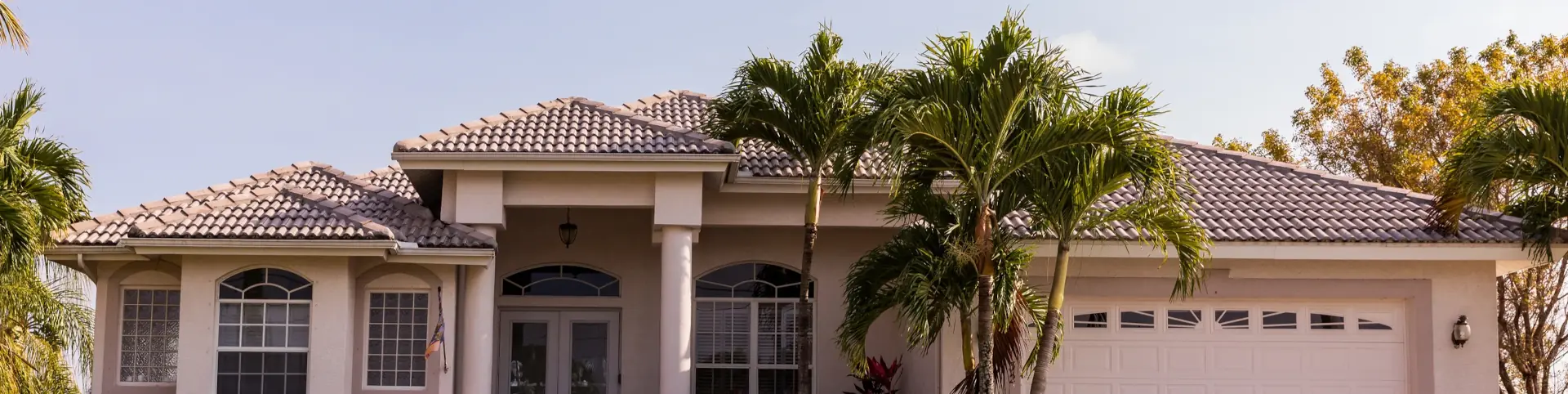
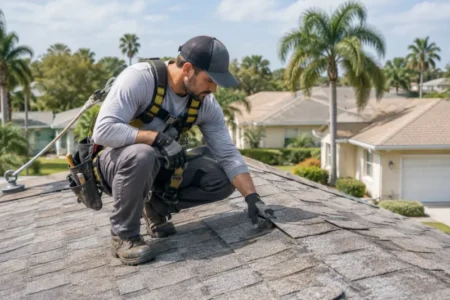
If you own a home in Tampa, you have probably wondered about the most common roofing problems in Florida and whether your roof is holding up. Our weather is some of the hardest on roofs anywhere in the country. Between summer heat, salty coastal air, heavy rain, and hurricane season, roofs here take a real beating, and most problems start small and stay hidden until they turn into big, costly repairs. As a local Tampa roofing company that has worked on homes across the Bay Area for years, we have seen just about every roofing issue Florida can throw at a house. In this guide I will walk you through the most common roof problems in the state, the warning signs to look for, and when it might be time to think about a roof replacement.
Why Florida’s Climate Is So Hard on Roofs
Florida’s weather is famous for being tough on roofing. Storms, humidity, flooding, hurricanes, and high heat all work together to wear your roof down faster than in most other states. A roof that might last 25 years up north often wears out in 15 to 20 years here in Tampa.
Heat, Humidity, and UV Exposure
Tampa summers are hot and sticky, and that daily heat slowly bakes your shingles. UV rays from the strong Florida sun dry out roofing materials and make them brittle over time. High humidity feeds mold, algae, and rot in your underlayment and decking. This combination is why Florida roofs age faster than most homeowners expect.
Coastal Salt Air and Corrosion
If you live near the water in neighborhoods like Davis Islands, Apollo Beach, or out toward Clearwater and St. Pete Beach, salt air speeds up wear in a big way. Salt corrodes metal flashing, fasteners, nails, and gutters much faster than it would inland. Once flashing corrodes, water finds a path under your shingles and the leaks begin. Coastal homes usually need more frequent inspections to stay ahead of this hidden damage.
Hurricanes, Tropical Storms, and High Winds
Florida is known for high winds, lightning, and hailstorms. Hurricane season runs from June through November, and even a passing tropical storm can lift shingles, tear off flashing, and drive rain under your roof. A single strong storm can undo years of good condition in a few hours, which is why storm readiness matters so much for Tampa homeowners.
Roof Damage Caused by Severe Weather
Severe weather is one of the biggest causes of roof problems in Florida. When storms hit, they can cause noticeable damage fast. Here are the most common types of storm damage we see across Tampa Bay.
Hail Damage and Asphalt Shingles
Hailstorms can be especially harsh because balls of ice slam into your roof. This often causes serious damage to asphalt shingles, creating weak, fragile spots. Those dents knock off the protective granules that shield your shingles from the sun. Stay on the lookout for roof problems, especially after a hailstorm. Write down any damage you find so you have a record for your roofing contractor and your insurance company.
Wind Uplift, Tenting, and Blow-Offs
High winds take a real toll on your roof. They cause tenting, blow-offs, billowing, and reduced wind uplift resistance. Check your roof’s underlayment too, since the same winds often damage it. Once shingles start lifting or blowing off, water gets underneath and bigger problems follow fast.
Fallen Trees and Storm Debris
Dead or weak trees can fold under the constant pressure of a storm and fall onto your roof or a neighbor’s. While lightning rarely strikes trees, it does happen, and a struck tree can come down on a nearby roof with major force. Flying branches and debris can also crack shingles and dent flashing. Keeping trees trimmed around your home is one simple way to lower this risk before storm season starts.
Roof Problems Caused by Long-Term Wear and Tear
While many roof problems come from a single storm, long-term wear and tear is actually the more common culprit. Constant rain, humidity, and repeated storms slowly break down even a well-built roof, and small damage grows when it is left alone.
Roof Leaks and Water Intrusion
Leaking is one of the most common problems we see, and it gets worse with each storm. Small leaks often start where flashing meets the roof or around vents and skylights. Over time these leaks happen more often and the whole structure deteriorates. Watch for water stains on ceilings, damp spots in the attic, or a musty smell, since these are early signs water is getting in.
Ponding Water and Poor Drainage
Ponding water should never happen on a properly designed roof. When it does, fix it as soon as possible, because standing water causes major damage over time. Flat and low-slope roofs are the most likely to have drainage trouble, especially during Tampa’s heavy summer downpours. Clogged gutters and poor drainage make ponding worse, so keeping water moving off your roof is key.
Deteriorating Shingles and Underlayment
Years of sun, heat, and humidity slowly break down your shingles and the underlayment beneath them. You might notice curling edges, cracked shingles, bald spots where granules have worn away, or shingles that look dry and faded. Once the underlayment fails, your roof loses its last line of defense against water. When a large part of your roof shows this kind of aging, a roof replacement is often smarter than patch repairs.
Algae, Mold, and Rot from Humidity
Those dark streaks you see running down roofs all over Tampa Bay are not just dirt. They are algae, and our constant humidity feeds it year round. Algae and moss hold moisture against your shingles, which speeds up rot in the decking and underlayment below. Left alone, it shortens your roof’s life and can lead to soft, spongy spots. A gentle cleaning and good attic airflow go a long way toward keeping mold and rot from spreading.
Warning Signs You Need Roof Repair or Replacement
Many roof problems stay hidden until they become serious. Knowing the warning signs helps you catch trouble early. Keep an eye out for these red flags around your Tampa home:
- Missing, cracked, curling, or blistering shingles
- Water stains on ceilings or walls inside your home
- Granules from your shingles collecting in your gutters
- A sagging roofline or soft spots in the decking
- Daylight showing through the roof boards in your attic
- Higher energy bills from poor attic insulation and airflow
If you spot any of these signs, call a trusted roofing contractor right away. The sooner you act, the more likely you are to save money with a simple repair instead of a full replacement.
When to Repair vs. When to Replace Your Roof
Not every roof problem means you need a new roof. If the damage is small and your roof is fairly young, a targeted repair usually does the job. Fixing a few loose shingles, sealing a small leak, or replacing damaged flashing can add years to your roof’s life. Repairs make the most sense when the underlayment and decking are still in good shape.
A roof replacement becomes the better option when damage is widespread, your roof is near the end of its life, or repairs keep piling up. If more than a quarter of your roof is damaged, if leaks keep coming back, or if your roof is over 20 years old, replacement often saves money in the long run. A good roofing company gives you an honest assessment instead of pushing the most expensive option. At Avatar Roofing, we always tell Tampa homeowners the truth about what their roof really needs.
Why Annual Roof Inspections Matter in Florida
You really do need a professional to inspect your roof at least once a year. In Tampa, the best times are before and after storm season, since late May through June is when our rainy season ramps up and peaks. A pre-storm inspection helps you fix weak spots before high winds and heavy rain arrive. A post-storm inspection catches hidden damage before it turns into a leak or worse.
Regular inspections also help with insurance claims. When you have records of your roof’s condition, it is much easier to prove storm damage after a named storm and get the coverage you deserve. Think of an annual inspection as cheap insurance for one of the most important parts of your home.
How to Choose a Reliable Roofing Company in Tampa
Picking the right roofing contractor makes all the difference. Look for a licensed and insured company that knows Florida building codes and understands the demands of our Bay Area climate. Read reviews from other Tampa homeowners, ask about warranties, and get a clear written estimate before any work begins. A local roofing company that has worked in your neighborhood knows exactly how our heat, humidity, salt air, and hurricanes affect roofs.
At Avatar Roofing, we have spent years helping families across Tampa Bay protect their homes from Florida’s toughest weather. We handle everything from small repairs to full roof replacement, and we treat every home like it is our own. Give us a call today and schedule a pre-storm inspection before the next season puts your roof to the test.
Frequently Asked Questions
How often should I have my roof inspected in Florida?
At least once a year, plus after any major storm. We recommend one check before storm season starts in late spring and another after a strong storm passes through, so you catch small problems before they grow.
What are the first signs of roof damage after a storm?
Usually missing or lifted shingles, granules in your gutters, dents on flashing or vents, and water stains on your ceilings. If you notice any of these, call a roofing contractor for a full inspection before hidden leaks start.
How long does a roof last in Florida’s climate?
An asphalt shingle roof in Florida usually lasts about 15 to 20 years, shorter than in cooler states. Metal and tile roofs can last longer, but every roof benefits from regular inspections to reach its full lifespan.
Should I repair or replace my roof after storm damage?
It depends on how much of your roof is damaged and how old it is. A small section on a newer roof usually just needs a repair. If the damage is widespread, your roof is aging, or leaks keep returning, a replacement is the smarter choice. An honest inspection gives you the clearest answer.
Illustration created with AI