


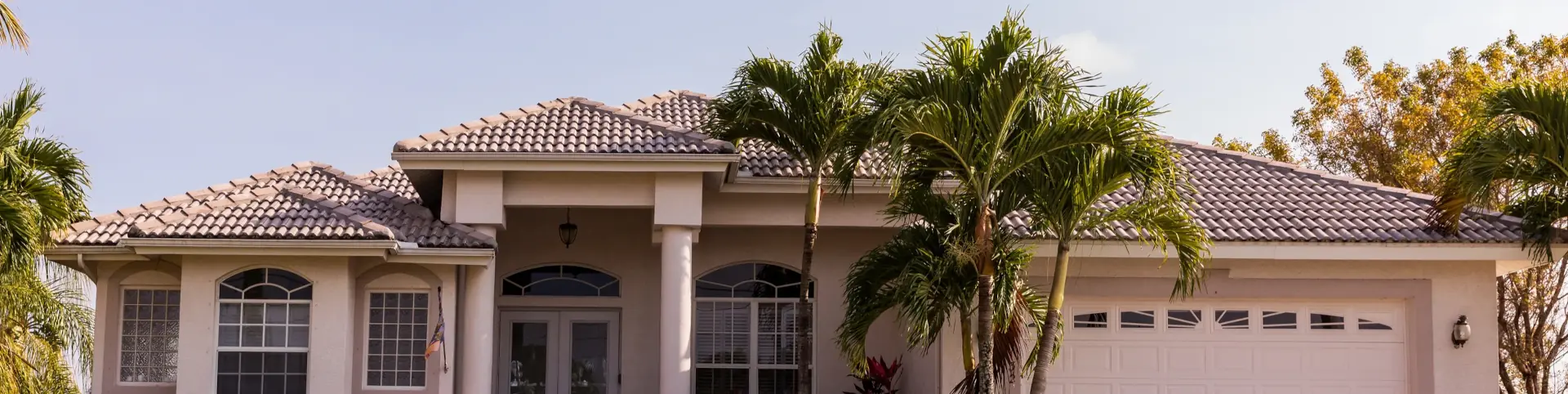
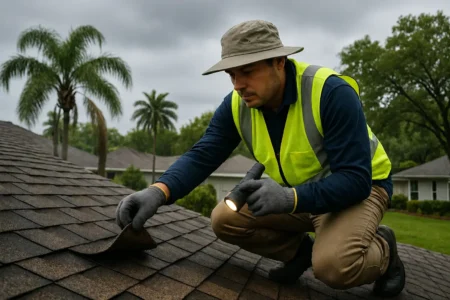
What weather causes the most roof damage in Tampa? High winds from tropical storms and hurricanes top the list. Heavy rain and water intrusion come next, followed by flying debris and hail. If you live along the Florida Gulf Coast, you know the sky can turn ugly fast. Each type of storm hurts your roof in a different way, and most damage starts small. Knowing the warning signs can save you thousands of dollars.
At Avatar Roofing in Tampa, FL, we’ve spent years climbing on roofs after summer thunderstorms, tropical storms, and full hurricanes. This guide covers how bad weather wears down your roof, how to spot each type of damage, what to do after a storm, and when to call a pro.
How Does Bad Weather Damage Your Roof?
Rain, wind, debris, and hail all go after the same weak spots. We’ve written more about how weather affects your roof over time, but here’s the short version. A roof in good shape can handle a lot. An older roof with cracked, rotting, or loose shingles is a different story. Rough weather finds those small problems and turns them into big, expensive ones.
Why Tampa Bay Roofs Wear Out Faster
Our climate is tough on roofs. Strong sun and UV rays bake shingles all year, and high humidity keeps moisture hanging around. Summer brings afternoon thunderstorms almost every day, and Tampa Bay is known as a lightning hotspot. Then there’s hurricane season, which runs from June 1 to November 30. Storms like Ian, Idalia, Helene, and Milton reminded a lot of local homeowners how fast things can change. All of this tends to shorten shingle life compared to milder climates.
Heavy Rain and Water Intrusion
Frequent, heavy rain wears shingles down. Worn shingles start to curl or buckle, which makes them more likely to break the next time wind or hail shows up. Once a shingle breaks, water has a path inside. It can soak your roof deck, stain drywall, ruin flooring, and even reach electrical wiring. That’s when a simple repair turns into a costly headache.
Tampa gets frequent heavy downpours, especially during summer afternoon storms, and all that water finds the weak spots. When moisture gets trapped under shingles or in the attic, you can also end up with mold growth on roof shingles, which adds a whole new problem.
Signs of Rain-Related Roof Damage
- Shingles that look curled, buckled, or warped
- Brown or yellow water rings on ceilings or upper walls
- A musty smell in the attic or upstairs rooms
- Dripping or active leaks during a storm
- Peeling paint near the roofline
If you notice any of these, don’t wait. A small leak today can turn into a rotted roof deck after just a few rainy Florida months.
High Winds and Lifted or Missing Shingles
Wind is the biggest roof threat in Florida. Wind damage usually shows up first along the edges, corners, and ridge, plus any spot that was already worn. Wind slips under shingles and lifts them, which loosens the nails and breaks the adhesive seal. Because shingles overlap, losing one or two can start a chain reaction that pulls off the ones around them.
Hurricane gusts along the Gulf Coast can exceed 100 miles per hour, and a strong summer squall can bring gusts of 40 to 60 mph. The Florida Building Code sets wind resistance rules for roofing for good reason. Tampa isn’t in the High-Velocity Hurricane Zone, which covers Miami-Dade and Broward, but local code still requires roofs built for serious wind. Older roofs installed before current standards are more likely to lose shingles in a big storm.
How to Spot Wind Damage
Missing shingles are easy to see, but some wind damage is harder to catch. Look for:
- Creased shingles with a straight horizontal line where the tab folded back
- Broken sealant strips, often showing as a shiny strip or a gap under the shingle edge
- Lifted or bent shingles at the edges and corners
- Exposed or popped nail heads
- Shingle pieces or granules in your yard or driveway
- Loose or bent flashing around chimneys, vents, and skylights
Flying Debris and Falling Tree Limbs
Strong wind turns everyday objects into projectiles. A falling limb can puncture your roof deck or crush a whole section of shingles. Patio umbrellas, lawn décor, and outdoor furniture can get picked up and slammed onto your roof, too.
Neighborhoods like South Tampa, Seminole Heights, Carrollwood, and Brandon are full of big live oaks and tall pines hanging over homes. Those limbs become a real risk during hurricane season. Keep an eye on alerts from the National Weather Service Tampa Bay office, and bring loose items inside as soon as severe weather is in the forecast.
How to Prepare Your Roof Before a Storm
A little prep goes a long way. Here’s what we tell our Tampa Bay neighbors:
- Trim tree branches that hang over your roof
- Clean out gutters and downspouts so water drains fast
- Bring in patio furniture, umbrellas, and yard décor
- Secure or store trash cans and grills
- Fix loose or damaged shingles before hurricane season starts
After a storm, check your gutters for granules. A pile of those tiny grains means your shingles took a beating and are losing their protective coating.
Hail and Hidden Roof Damage
Hail doesn’t hit Tampa as often as rain and wind, so many homeowners overlook it. It does happen, mostly during strong spring thunderstorms. Hail bruises and cracks shingles and knocks off granules, which shortens the life of your whole roof. The tricky part is that torn shingles caused by hail damage often look fine from the ground. A lot of people don’t realize there’s a problem until a leak shows up months later.
If hail rolls through your neighborhood, have a trained roofer take a look. Our roofers are trained to spot those small bruises and soft spots, and finding them early gives you solid records if you decide to file a claim.
How to Check Your Roof After a Storm
Once the weather clears, do a quick check from the ground and inside your home:
- Walk around the house and look for missing, lifted, or creased shingles
- Check gutters and downspouts for granule buildup
- Look for dents on gutters, vents, and flashing
- Use a flashlight in the attic to spot water stains, wet insulation, or daylight
- Scan ceilings and upper walls for fresh water spots
Take clear, dated photos of anything you find. Most homeowners insurance policies cover sudden storm, wind, and hail damage, but not wear from age or poor upkeep. Florida has also shortened the time you have to file a claim in recent years, so report damage promptly and check your policy for exact deadlines.
Please don’t climb onto a wet or damaged roof yourself. It’s slick, it may be weak, and it’s a fall waiting to happen. Leave the up close inspection to a pro with the right safety gear.
So, What Weather Causes the Most Roof Damage?
For Tampa Bay homes, high winds from tropical storms and hurricanes do the most harm because they rip shingles loose and open the door for everything else. Heavy rain is next, since water intrusion leads to rot, mold, and interior damage. Debris causes sudden punctures, and hail quietly shortens your roof’s life.
When Should You Call a Professional Roofer?
Not all storm damage is easy to spot. Hail bruises, slow leaks, and lifted shingles that settled back down can fool the untrained eye. Call a roofer after any hurricane, tropical storm, or hail event, if you see any of the warning signs above, or if your roof hasn’t been checked in over a year.
That’s where Avatar Roofing comes in. We’re a local Tampa roofing company that handles storm damage inspections and repairs across the Tampa Bay area. We’ll check your roof, tell you straight what’s going on, and help you get it fixed right. Call us today to schedule your Tampa roof inspection before the next storm rolls in.