


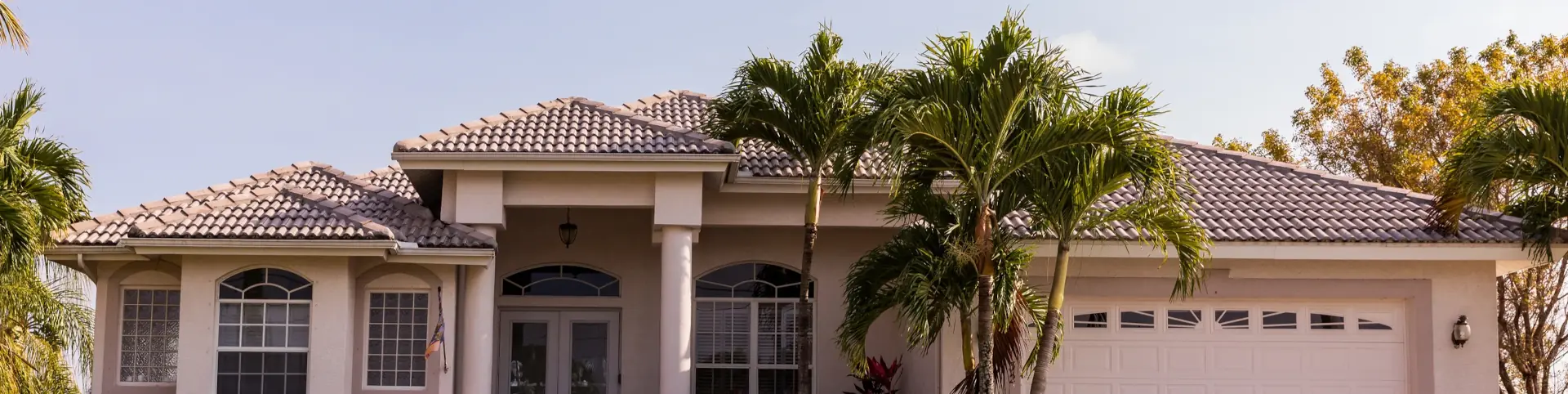
Each month we speak with Tampa homeowners who have experienced unexpected large increases in their homeowners’ insurance. This is sometimes announced by a renewal notification letter. Often it is announced by a letter indicating that the homeowner’s current policy will not be written for another year. The first question their agent often asks is whether or not a wind mitigation report has been completed for the home.
Wind mitigation for homes in Tampa can save homeowners hundreds or even thousands of dollars every year on their home insurance but many people do not know that it exists or that it is so simple to obtain. Simply a roof inspection to see how a home was constructed to withstand strong winds and whether it meets certain roof standards; then the homeowner receives credits from their insurance company to obtain a lower rate for their home insurance.
We service wind mitigation for Tampa homeowners. That means we do wind mitigation inspections for people in South Tampa, Lutz, Westchase and all other areas of Tampa. We can provide a wind mitigation inspection if you have never had one done. We can also inspect your new roof to verify that it will qualify for the highest credit available.
What Is Wind Mitigation and Why Does It Matter in Tampa
Wind mitigation is the process of evaluating and improving a home’s ability to withstand high-wind events such as hurricanes and tropical storms. In Florida, the state requires insurance companies to offer discounts to homeowners whose homes meet certain wind-resistance standards. Those discounts are based on a wind mitigation inspection report.
The inspection looks at several things. This describes how the roof deck is attached to the framing underneath it. It also describes what type of roof-to-wall connection your home has, which is basically how the roof structure is tied to the walls. Whether your windows and doors feature opening protection such as hurricane shutters or impact glass is another important consideration. What type of roof covering do you have, and how is it installed?
Tampa is in a high wind zone. The Florida Building Code changes that came in after Hurricane Andrew in 1992 and again after the 2004 and 2005 hurricane seasons raised the bar significantly for how roofs have to be built. Homes built after those code updates tend to qualify for better wind mitigation credits. Older homes in neighborhoods like Hyde Park, Seminole Heights, and parts of Lutz often don’t meet the newer standards unless upgrades have been made.
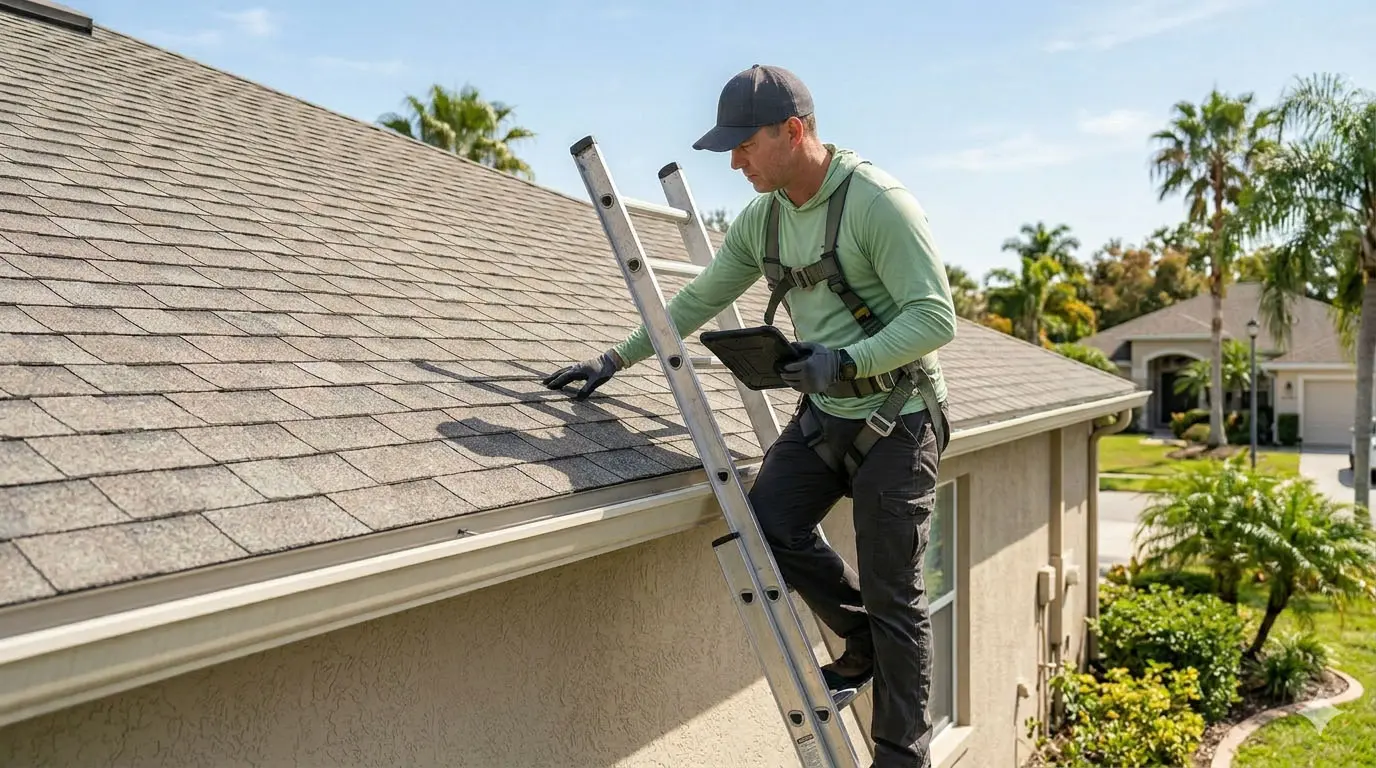
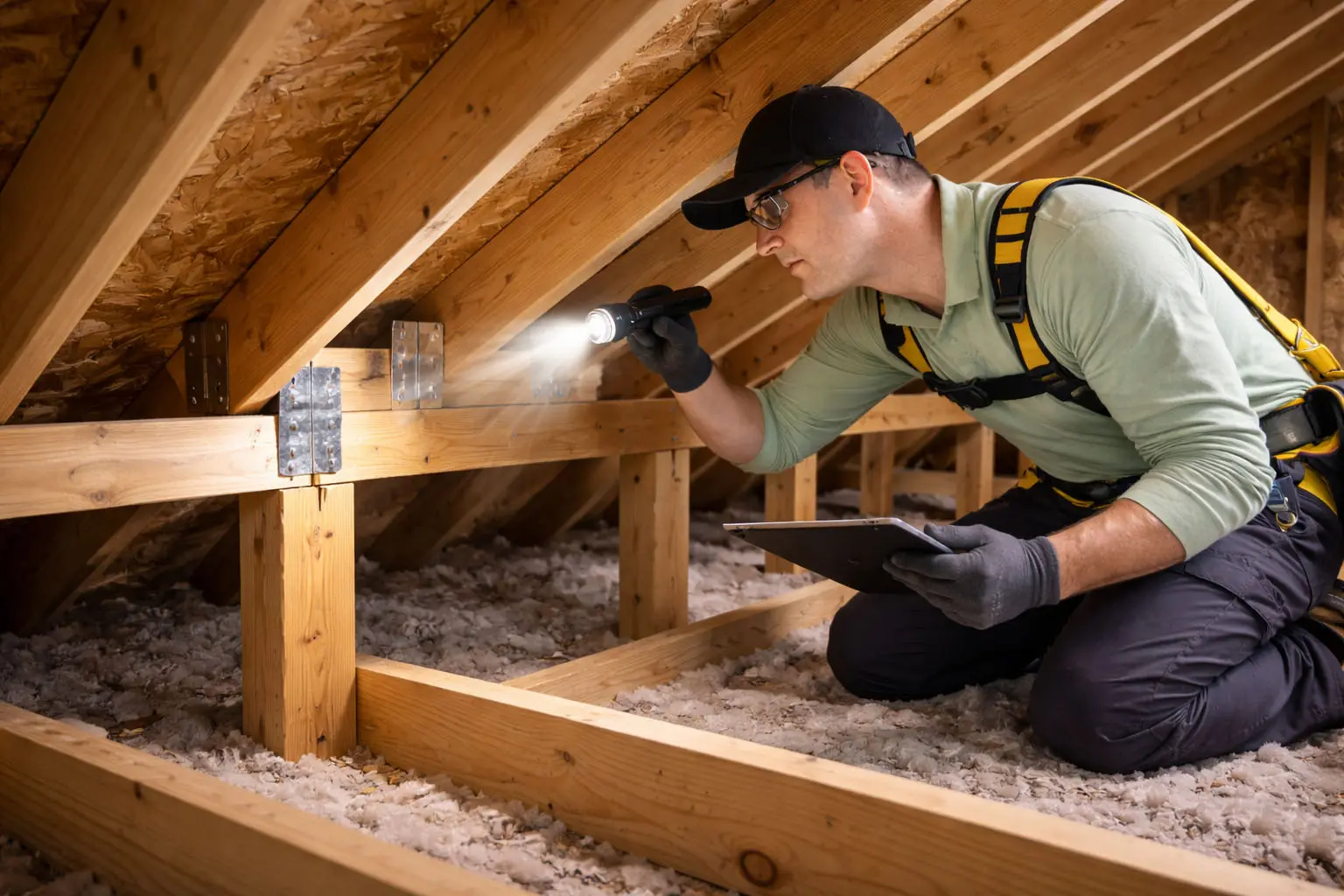
The inspection itself takes about an hour. We go up on the roof and into the attic to check the connections and attachments. You get a completed OIR form, which is the standard wind mitigation report for Florida that your insurance company accepts.
Wind Mitigation Inspection in Tampa
A licensed inspector conducts a wind mitigation inspection in Tampa. At Avatar Roofing, we have the licensing and experience to complete wind mitigation inspections and provide you with the official report your insurance company needs.
Here’s what we look at during a wind mitigation inspection:
Roof covering: the type of material and how recently it was installed. Newer roofs installed to current code standards score better.
Roof deck attachment: how the plywood or OSB deck is nailed to the roof framing. More nails and closer spacing mean a stronger attachment and a better score.
Roof-to-wall connection: This is one of the biggest factors. Hurricane straps or clips that connect the roof structure to the wall framing score much better than older toe-nail connections.
Roof shape: hip roofs, the kind that slope on all four sides, perform better in high winds than gable roofs and get better credits.
Opening protection includes impact-rated windows, doors, garage doors, or approved hurricane shutters.
After the inspection, you’ll get the completed OIR form with photos and documentation. Take that directly to your insurance agent or company and ask them to apply the credits to your policy. Most homeowners see the savings show up on their next renewal.
Wind Mitigation After a Roof Replacement in Tampa
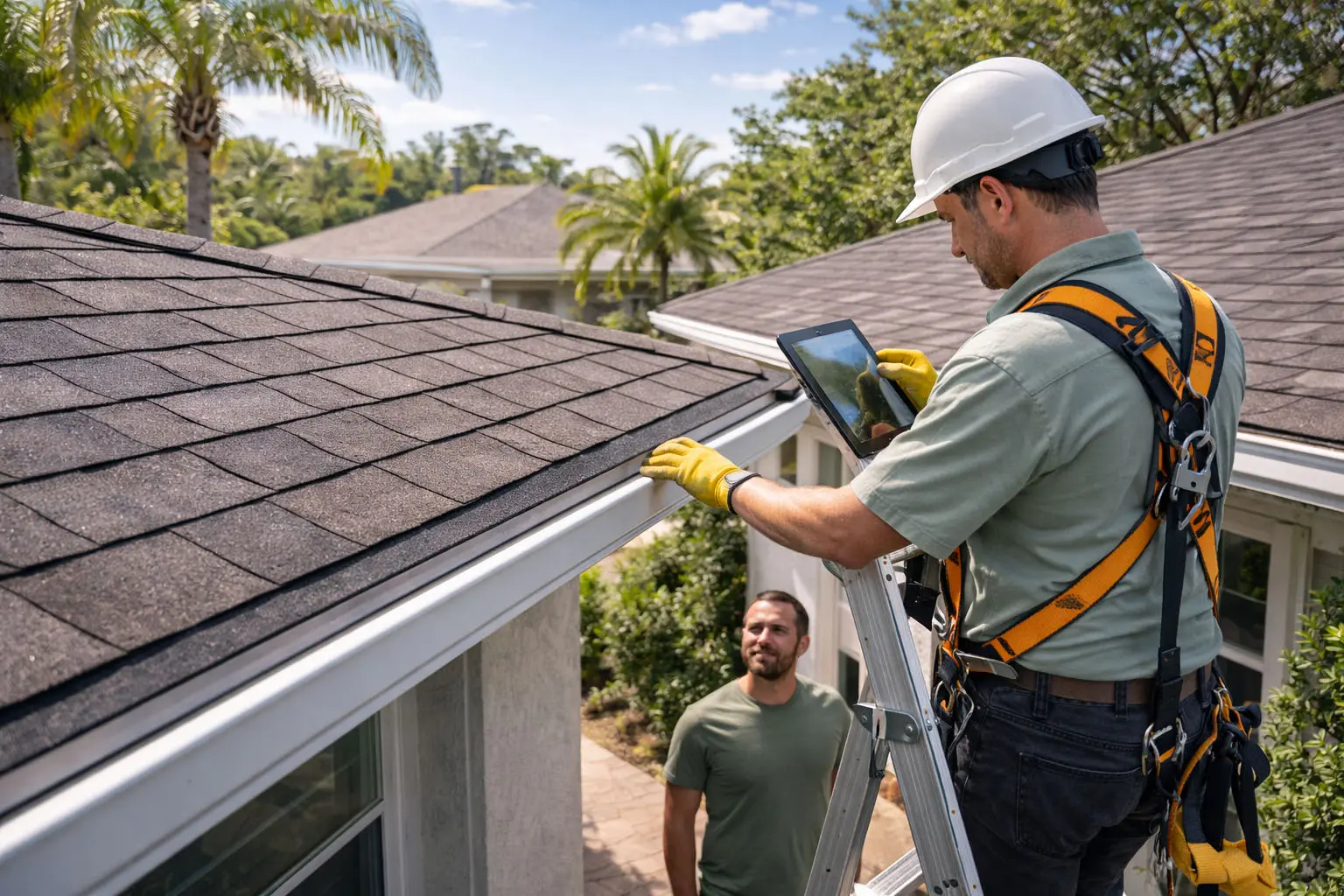
If you just had a new roof put on your Tampa home, getting a wind mitigation inspection done right away is one of the smartest moves you can make. A new roof installed to current Florida Building Code standards will almost always qualify for better credits than the old one did.
At Avatar Roofing, we always install roofs to wind mitigation standards during a roof replacement. The right nail pattern on the deck, the right underlayment, the right installation method for the covering material. That documentation is part of how your wind mitigation report is scored.
We’ve had Tampa homeowners in Odessa, Keystone, and Westchase see their insurance premiums drop by $500 to $1,500 a year after a roof replacement that qualified for strong wind mitigation credits. Over the roof’s life, that adds up to real money. For some homeowners, the insurance savings essentially pay for a significant portion of the roof replacement cost over time.
If a roofing company is not talking to you about wind mitigation when they quote your roof replacement in Tampa, ask them about it directly. It should be part of the conversation.
How Much Can Wind Mitigation Save Tampa Homeowners
The amount of savings depends on many factors, including the specifics of your home, the policies of your insurance company, and the specific credits that your home inspection will qualify for. Here is what we have found to be realistic for most homes.
Many homeowners with older homes in Tampa may see a few hundred dollars in savings per year. Homeowners with relatively new roofs that are installed in compliance with current building codes, with hip roof structures, with hurricane straps, and with impact-resistant windows may expect to save 40% to 60% on the wind portion of their homeowners’ insurance. As the cost of homeowners’ insurance continues to climb in Tampa, these discounts can add up to a lot of money.
The cost to complete a wind mitigation inspection is very low when compared to the potential savings per year that the new lower premium will provide. Homeowners typically recover the cost of the inspection within the first month or two of the lower premium.
We’d be happy to speak with you and discuss whether or not an inspection of your home would be in order. If so, we will work to schedule an inspection at the earliest possible time. For the Tampa homeowner with increasing insurance rates, wind mitigation is one of the few variables that a homeowner can influence.
