


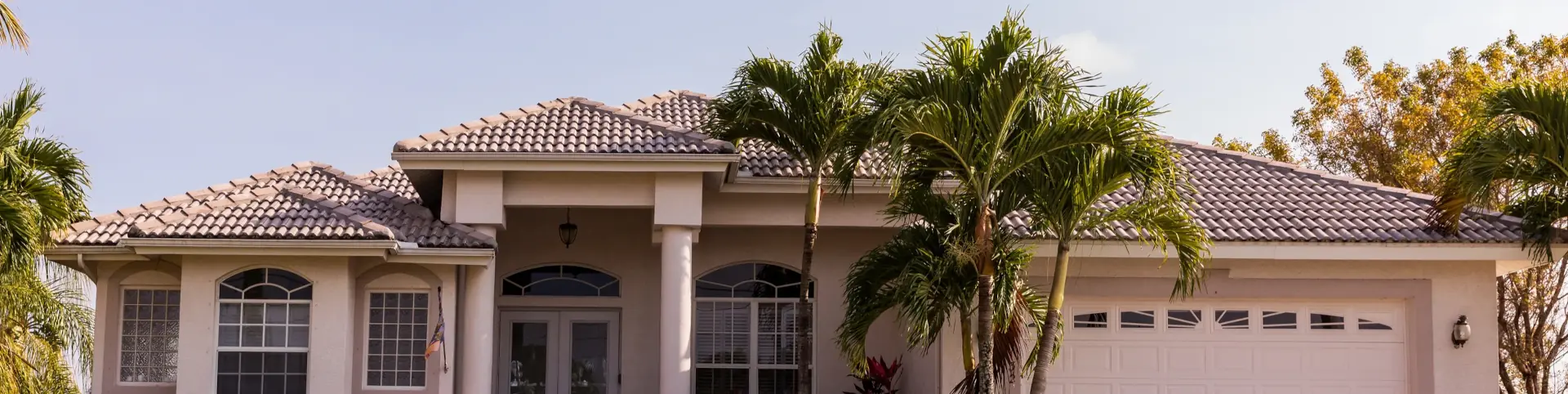

If you are building or remodeling a house in Tampa, the best green home design tips can help you cut energy bills, use less water, and build something that lasts. Green home design is not just good for the planet. It supports a healthier lifestyle and raises your home’s property value. And in Florida’s hot, humid climate, smart eco-friendly choices pay you back month after month on your cooling costs.
Many home builders consider a wide array of materials and philosophies when designing sustainable structures. Below we explore many of the decisions in simple terms to help guide you in building a sustainable home in Tampa Bay.
What Does Green Home Design Actually Mean?
Green home design means building or updating a home in a manner that uses fewer natural resources while maintaining the comfort and safety of the inhabitants. Reduce energy use, minimize water waste, select environmentally-friendly building materials and design for the long term. A well-designed green home keeps you cool in the hot Florida sun, is able to withstand extreme weather and saves you money in the long run. Making smart choices today can continue to reward you for decades to come.
How Can I Make My Home More Energy Efficient?
For most homes in Tampa, cooling represents the largest share of energy expenditure. In order to minimize air conditioning usage, one must first focus on minimizing heat gain of the home. Here’s where to start.
Smart Sizing and Site Orientation
Building smaller homes to better conserve energy and design creative interior layouts to maximize square footage is key. But where on the lot you place the home is equally important. A southern exposure is actually a negative for future solar panels, given that Florida enjoys solar potential 365 days of the year. Smart design of the roofline and placement of the home on the lot for future solar can also have positive payback even if the homeowner installs solar panels at a later date.
Insulation, Air Sealing, and Weatherization
Effective insulation of your home is one of the best first steps to beating the heat in Florida. For effective attic insulation, aim for a solid insulation material with a R-value of R-30 to R-38. And, don’t forget to provide adequate insulation in your walls. Once you have your home insulated, it’s time to air seal and weatherize to prevent the cool air from escaping through cracks and crevices around openings for windows and doors and for attic hatch ways. In fact, air sealing your home can be one of the least expensive ways to reduce your cooling costs, and many of our Tampa customers have even reported reductions of10% to 20% or more in their summer time power usage. Not only does air sealing help to reduce cooling costs, but it also helps to control humidity by keeping out the muggy outside air. Pair air sealing with a good dehumidifier or properly sized AC system, and you can comfortably keep your home cool at higher thermostat settings.
ENERGY STAR Appliances and LED Lighting
When you buy appliances, look for the ENERGY STAR label. These models use far less power for the same job. Swap every bulb in the house for LED lighting as well. LEDs last for years, run cool, and use a fraction of the electricity of older bulbs.
Strategic Landscaping for Shade and Wind Protection
Nature can help pay your bills if you plant them in the right place. By placing shade trees on the south and west sides of your home, you can block the intense afternoon sun from heating up your home’s walls and roof. They can also be used to break the wind during Tampa’s many storms. Just make sure to choose strong and native to your area trees that can withstand the heat and heavy rains of the area.
What Is the Best Way to Conserve Water at Home?
Florida already has restrictions on water use and projects future water shortages. Reducing water use also reduces energy consumption for pumping and heating water.
Low Flow Fixtures and Water Efficient Appliances
Low flow faucets, showerheads and toilets can help save water without sacrificing performance. WaterSense labeled toilets use as little as 1.28 gallons per flush compared to older models that use 3.5 gallons per flush. Look for a water efficient washing machine and dishwasher too. Under Tampa water rates, a slow drip can cost thousands of gallons of water per year.
Smart Irrigation, Rain Barrels, and Native Landscaping
Lawns and gardens soak up a huge share of home water use in Florida. Cut back with smart irrigation controllers that water based on weather, and set up rain barrels to catch Tampa’s summer downpours. Plant drought tolerant Florida natives like firebush, muhly grass, coontie, and saw palmetto. Beach sunflower, blanket flower, and Florida privet are other easy choices that shrug off the heat. They thrive here with little watering once established, which keeps you on the right side of local sprinkler restrictions.
Which Building Materials Are Considered Eco Friendly?
Eco-friendly materials in building a greener home and healthier household. Focus on choosing eco-friendly materials for your home’s construction by considering the following:
- Produced locally, which cuts shipping impact
- Recycled or repurposed, and recyclable again in the future
- Sustainably grown and produced
- Energy efficient
- Non toxic, so your indoor air stays clean
When it comes to choosing products for your Tampa home, select materials that are made from recycled content or are fully recyclable at the end of the building’s life. Metal roofing is one example of a material that meets these criteria and also provides cooling, wind resistance and rain resistance benefits. Other products to consider are reclaimed wood, recycled steel framing, low VOC paints, bamboo or cork flooring, fiber cement siding and insulated concrete forms. These products will withstand the high humidity and salty air found in Tampa and will likely last longer and need to be replaced less often.
How Do I Design a Green Home That Lasts?
Remember the seventh generation principle: we can’t guarantee that everything will last for seven generations, but choosing to buy durable products is better for the environment in the long run than adding to the landfill. Building for the long term is one of the greenest things you can do.
Planning for Future Upgrades
Leave room in your design for future upgrades such as solar or EV charging. Running correct wiring and allowing for extra space within panels for future additions now, will make them cheap to install at a later date. A little forward planning now will save you lots of money in the long run.
What Is a Green Roof and Is It Right for My Tampa Home?
By the most general definition, a “green roof” is a type of roof meant to save energy and last for a very long time. The best choice for most residential clients in the Tampa area would be a reflective metal roof, which keeps the roof cool by reflecting the sun’s rays and keeps the attic space below cool as well. Additionally, a reflective metal roof is very durable and can withstand the worst of the area’s storms. If paired with suitable insulation in the attic space, a reflective metal roof can save a great deal of money on energy bills during the summer months.
Frequently Asked Questions
Does green home design really save money in Florida?
Yes. In Tampa’s hot, humid climate, cooling drives your power bill. Better insulation, ENERGY STAR appliances, LED lighting, and a reflective roof all cut that cost month after month.
Is a metal roof a good green roofing choice?
One of the best options for a roof is metal. It is recyclable, reflects sun’s rays to keep house cool, lasts for decades, withstands hurricanes and heavy rain.
Where should I start if my budget is limited?
Begin by air-sealing and insulating your attic. Then switch to energy-efficient LED light bulbs and low-flow shower and sink fixtures. These inexpensive upgrades yield the fastest return on investment and can be augmented by solar panels and/or a new roof as budget permits.
Ready to Build Greener in Tampa?
When you are ready to put a green roof on your home, there’s one company Tampa homeowners trust to follow every one of these principles. Avatar Roofing has helped families across Tampa, Florida build durable, energy saving roofs for years. Give us a call today and let’s make your home more sustainable.
Picture Credit: iStock