
Understanding today’s roofing costs
When planning a roof replacement in Tampa, homeowners often wonder what a fair and realistic budget looks like. Roofing prices in 2025 vary widely, depending on several factors, including material choice, roof size, slope, and project complexity. Selecting a professional roofing company ensures that every element of your home’s structure and protection is assessed correctly before work begins. Investing in roofing systems ensures both safety and long-term value. A well-installed roof not only adds curb appeal but also prevents interior damage and improves energy efficiency. In Tampa’s humid and storm-prone climate, the right roof can also mean greater peace of mind during hurricane season.
Average cost ranges in 2025
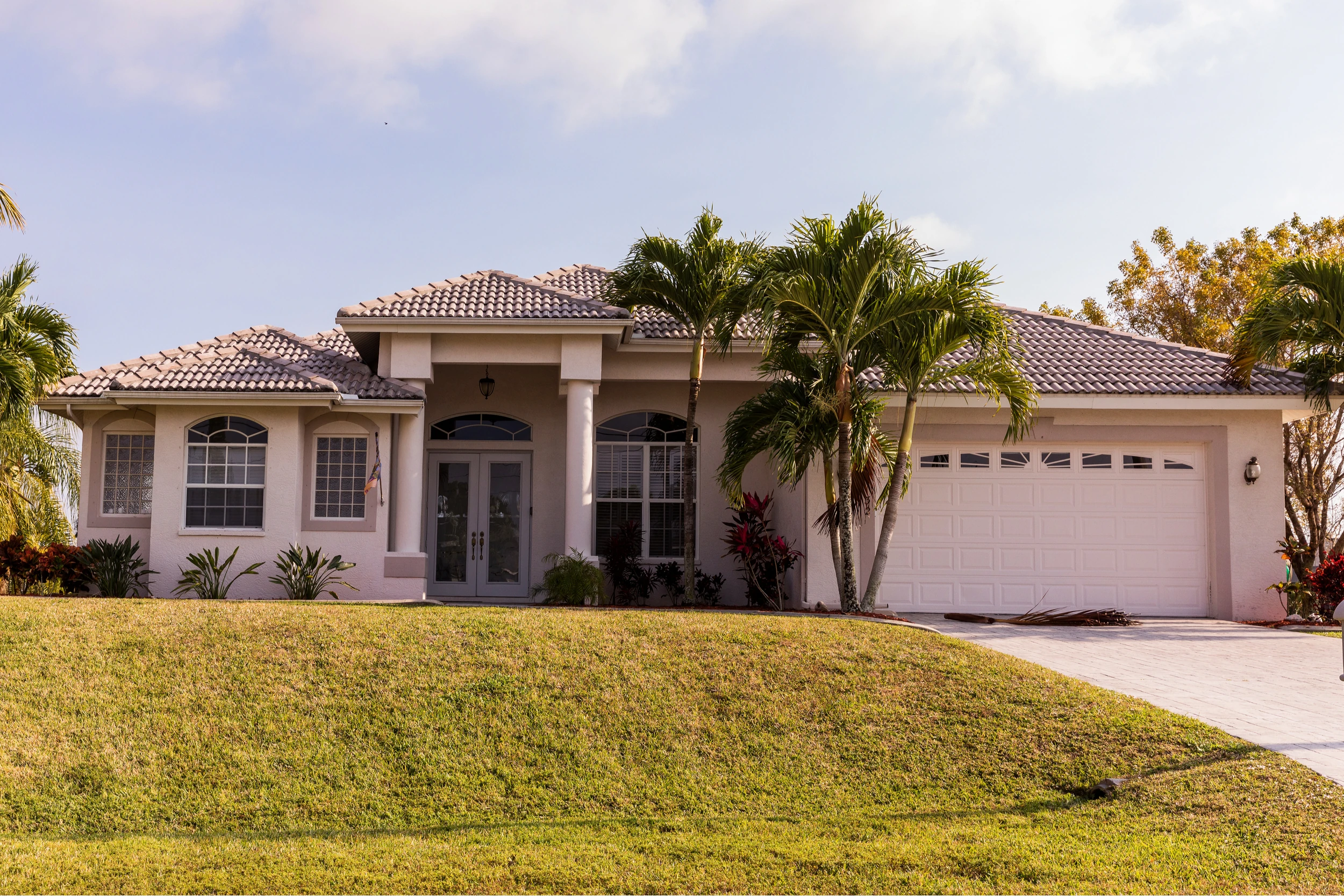
The cost of replacing a roof in the Tampa Bay area typically ranges from $7,000 to $25,000, depending on the size and type of the roof. Smaller homes with regular asphalt shingles usually fall at the lower end of the price range. Homes with larger square footage or those constructed with higher-quality materials, such as metal or tile, will typically cost more.
Here is a general breakdown of what homeowners may expect:
- Asphalt shingles: $4.50 to $6.50 per square foot
- Metal roofing: $8.00 to $12.00 per square foot
- Clay or concrete tile: $10.00 to $18.00 per square foot
- Flat roofing (TPO or modified bitumen): $6.00 to $9.00 per square foot
Prices also depend on the amount of work required on your roof and the local labor costs. Tampa’s coastal exposure and weather patterns influence these costs, resulting in higher material standards and stricter building codes.
What affects roof replacement pricing
Several factors directly impact the cost of replacing a roof. The most important factors are the pitch of the roof, the choice of materials, and whether the contractor needs to completely tear off the old roof or simply install new materials on top of the existing ones.
Pitch and slope:
Steeper roofs require more time, extra safety precautions, and specialized workers, all of which increase costs. It’s easier to work on flat or low-slope roofs, but they may need better drainage systems to keep water from pooling.
Material type:
The cost and lifespan of each type of roofing material are different. Asphalt shingles remain the most popular and cost-effective choice. Metal and tile roofs, on the other hand, last longer and have a more aesthetically pleasing appearance. When making a choice, homeowners should consider both the initial costs and the expected lifespan of the item.
Tear-off versus overlay:
To do a complete tear-off, you must remove the old roof before installing new materials. This method requires more effort, but it ensures that damaged decking is replaced and the structure is thoroughly inspected to prevent further damage. Putting new shingles directly on top of old ones is an overlay. This type of installation saves money on labor, but it may reduce the lifespan of the new roof.
Complexity and features:
Flashing and sealing are required more frequently in homes with multiple valleys, skylights, or chimneys. This raises the cost of both labor and materials. Accessibility is also important. Roofs that are difficult to access or have landscaping surrounding them may require additional protection.
Budgeting tips for Tampa homeowners
Plan for at least two professional inspections to prepare for a new roof. This provides a clearer understanding of the materials available and the potential repairs that may be required. Please ensure that each estimate clearly outlines the precise scope of work, materials, warranties, and cleanup services.
Set aside an extra 10 to 15 percent of your budget for unexpected costs, such as replacing decking or wood that has rotted. Some homeowners in Florida opt for materials that are resistant to damage and comply with stricter building codes. These choices may incur higher upfront costs, but they often result in lower long-term maintenance expenses and may even qualify for insurance discounts.
Another factor to consider is its energy efficiency. In the Tampa area, reflective or “cool” roofing materials can help keep your home cooler and lower your utility bills over time.
Frequently asked questions
How long does a new roof last in Tampa?
The longevity of a new roof depends on its material and the level of care it receives. Asphalt shingles typically last 20 to 25 years, metal roofs can last 40 to 60 years, and tile roofs can last more than 70 years if properly maintained.
Is a tear-off always required?
Not always. A roof overlay may be acceptable if the existing roof is in good condition and local codes permit it. However, most roofing professionals recommend a complete tear-off for the best long-term performance.
Can homeowners stay in the house during replacement?
Yes. Most roof replacements can be done in one to three days. Although the process is loud, you usually don’t have to leave the premises.
Do insurance policies cover the cost of a new roof?
If a covered event, such as a storm or a tree falling, caused the roof damage, insurance may pay for some of the costs. Typically, it does not cover factors such as aging or normal wear and tear.
Replacing a roof is one of the most significant upgrades a homeowner can make. By understanding cost ranges, materials, and labor factors, Tampa residents can budget wisely and choose a roofing company that delivers lasting value. A professional inspection, detailed estimate, and clear communication are the foundations of a successful project. For expert guidance and trusted service in roof replacement across Tampa Bay, contact Avatar Roofing.
Picture Credit: Depositphotos