


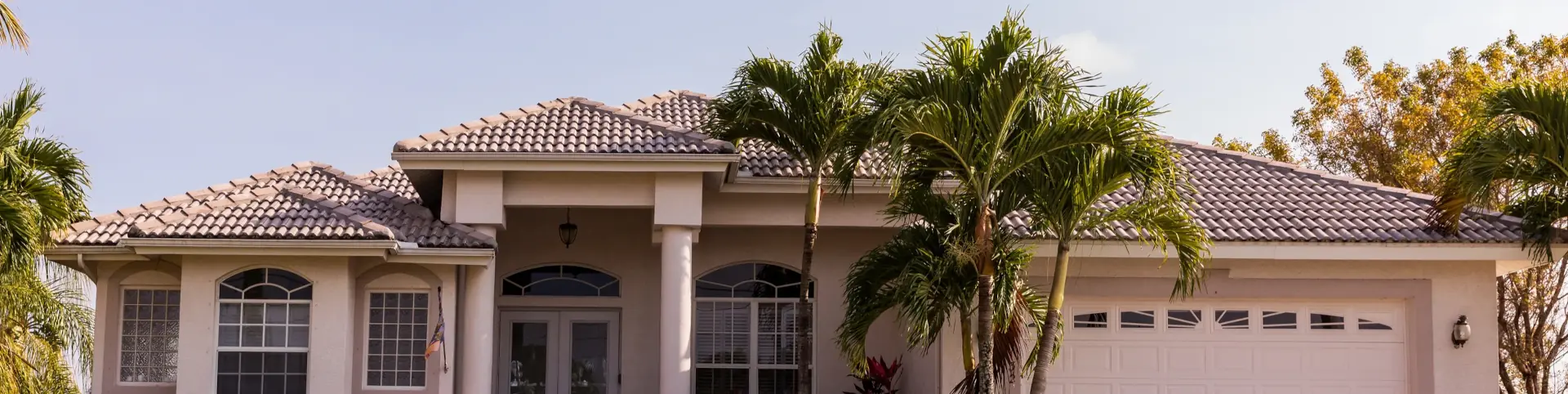

Want to know how to prepare your roof for Florida’s rainy season? Here’s the short answer. Inspect it from the ground, clean your gutters, trim your trees, check flashing and attic moisture, and book a professional roof inspection in March or April. Florida’s rainy season runs from May through October and overlaps hurricane season, which lasts from June 1 to November 30. Here in Tampa Bay, a small problem you can fix for a few hundred dollars in spring can turn into a soaked ceiling by July.
What Can Florida’s Rainy Season Do to Your Roof?
Daily Afternoon Downpours and Standing Water
Tampa Bay summers follow a pattern. You get a hot morning, then a thunderstorm around 3 p.m. almost every day. Your roof gets soaked again and again, and heavy rain often falls faster than gutters can carry it away. Flat and low slope roofs are common on older Tampa bungalows and home additions. On these roofs, water can pool and sit for days. That ponding wears down the roof membrane and finds every weak seam.
Wind, Lightning, and Flying Debris
Tampa Bay is often called the lightning capital of the U.S. Summer storms bring sudden gusts that lift loose shingles and shift cracked tiles. Live oaks across Hillsborough, Pinellas, and Pasco neighborhoods drop heavy limbs. Dead palm fronds can turn into flying debris in a strong gust.
Humidity, Mold, and Hidden Leaks
Not every roof leak drips onto your floor. Water can seep under shingles or tiles and slowly soak the roof deck. Add Florida humidity, and you get mold, wood rot, and a musty attic. Spanish moss sitting on your roof holds moisture against the surface, which speeds up the damage.
Pre-Season Roof Checklist: What Should You Do Before May?
Safety comes first. Do your roof check from the ground, with binoculars, or from inside your attic. Please don’t walk on a tile roof or any wet roof. Tiles crack under your weight, and wet surfaces get slick fast.
Inspect Shingles, Tiles, and Flat Roof Surfaces From the Ground
Look for cracked, curled, or missing shingles. On tile roofs, watch for cracked or slipped tiles. The underlayment under tile often wears out before the tile does, so a tile roof can look fine and still leak. On flat roofs, look for bubbles, cracks, or low spots where water sat after the last storm. Sagging anywhere is a sign to call a roofer right away.
Clean Gutters and Extend Downspouts
Clogged gutters push water back under the roof edge and into your fascia boards. Clear out leaves, oak debris, and palm fronds before May, then check again in midsummer. Make sure downspouts carry water at least five feet from your foundation. Near the coast, look for rust and loose seams, since salt air eats metal gutters faster.
Trim Overhanging Trees and Palm Fronds
Cut back branches that hang over or touch your roof. Remove dead palm fronds before they fall into your gutters or blow loose in a storm. Dead or diseased trees close to the house should come down. For big limbs, hire a licensed tree service instead of climbing a ladder yourself.
Check Flashing Around Vents, Chimneys, and Skylights
Flashing is the metal that seals the joints where your roof meets a vent, wall, chimney, or skylight. It’s one of the most common places for leaks to start. Look for rust, gaps, lifted edges, or cracked sealant, and check metal parts twice a year.
Confirm Attic Ventilation and Look for Moisture
Grab a flashlight and head into your attic on a dry day. Look for water stains, damp insulation, dark spots on the wood, or daylight peeking through. Make sure your soffit and ridge vents aren’t blocked. Good airflow lets heat and moisture escape, which helps prevent mold and keeps roofing materials from breaking down early.
Check Roof-to-Wall Connections (Hurricane Straps and Clips)
Roof-to-wall connections help hold your roof onto your house in high winds. Common types include clips, single wraps, and double wraps. You can sometimes spot them from the attic where the trusses meet the walls. A wind mitigation inspector looks at these connections. If your home lacks them, a roof replacement is often the easiest time to add them, following the Florida Building Code.
Which Roof Tasks Should You Leave to a Professional?
Homeowners can handle the ground check, gutter cleaning, and attic look. Call a licensed roofer for these jobs:
- Walking the roof surface. Roofers know where to step and carry the right safety gear, especially on tile.
- Replacing shingles or tiles. A bad repair can let water in behind the new pieces.
- Flashing and sealant repairs. These need the right materials to stay watertight in Florida heat.
- Flat roof ponding or membrane damage. Seams and patches take special tools and training.
- Sagging, soft spots, or active leaks. These can point to rotted decking under the surface.
If your ground check turns up something worrying, Avatar Roofing can take a closer look and tell you what needs fixing now.
How Much Do Common Pre-Season Roof Repairs Cost in Florida?
Costs depend on your roof type, pitch, and damage. As a rough guide, minor repairs like replacing a few shingles or sealing a small leak often run $100 to $400. Bigger problems like sagging, rotted decking, or failed tile underlayment cost more and need a professional look. Fixing small issues in spring beats repairing water damage in August.
Which Roofing Materials Hold Up Best in Florida Storms?
If your roof is near the end of its life, the material you choose next matters. Here’s a quick look at popular roofing materials for Florida homes:
- Metal roofs can last 40 to 70 years. Many systems are rated for high winds, so check the Florida Product Approval rating for the exact product.
- Tile roofs can last 50 to 100 years and offer strong wind and fire resistance. Plan for the underlayment to need attention before the tile does.
- Architectural shingles perform better in wind and rain than basic three tab asphalt shingles, at a lower cost than metal or tile.
- Flat roofs do well with single ply membranes like TPO, EPDM, and PVC, which offer strong waterproofing when installed correctly.
How Does Your Roof Affect Florida Homeowners Insurance?
Florida insurers pay close attention to roof age and condition. An older roof can make coverage harder to get or more expensive.
A wind mitigation inspection, recorded on form OIR-B1-1802, documents features like roof-to-wall connections and a secondary water barrier. These features may qualify you for lower windstorm premiums. Ask your agent how your policy handles these credits.
Standard homeowners policies typically exclude flood damage, which needs a separate policy through the NFIP or a private insurer. Wind and rain damage are often handled differently, so read your policy closely. Take dated photos of your roof each spring and keep inspection reports to help with future insurance claims.
Florida Building Code Basics Homeowners Should Know
Florida has some of the strictest roofing rules in the country. If you replace your roof, your contractor should follow these basics:
- A secondary water barrier, often called a sealed roof deck.
- Approved underlayment beneath the outer roof layer.
- Proper roof-to-wall attachment, as covered in the checklist above.
Always hire a licensed roofer who pulls the right permits.
Get a Rainy Season Roof Inspection in Tampa Bay
Local roofers get booked up fast once the storms start. The best time to schedule a roof inspection is March or April, before the rainy season and hurricane season backlog hits. Avatar Roofing serves Tampa Bay homeowners and can help you prepare your roof for Florida’s rainy season with an honest inspection and clear repair advice.
Picture Credit: Depositphotos