


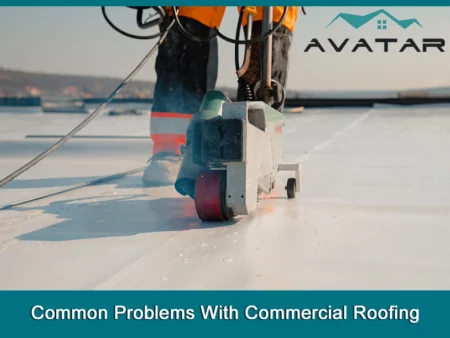
Let’s face it. Commercial roofing problems are unavoidable. It seems almost inevitable that something or the other is going wrong with the roofing. Leaves may get collected on top of the roof and clog your drains. Or, high winds may pick up or blow off the commercial roofing material. There is also the possibility of holes developing in the roof due to constant expansion and contraction. If you decide to ignore these issues with the roof it leads to costlier and bigger problems. Here are some common commercial roofing problems you will encounter.
No maintenance:
This is the most common kind of commercial roofing problem you will come across. Although there is nothing major happening here such as a tree branch falling on top of the roof and creating a hole, you need to get the roofing inspected periodically. If there are any issues found during the inspection, repair them immediately. For instance, if you test the PVC membrane on a commercial roof and find it to be in need of a fresh coat get it fixed instantaneously. If this problem with the roof was ignored sooner rather than later you will be forced to have the whole PVC membrane replaced. This will cost a lot more than just the coating you could have done in time.
Incorrect roof installation:
All commercial roofing projects need to start with a proper and professional installation. The poorly installed roofs raise the chances of issues appearing. What’s more, the improperly installed roofing decreases its lifespan. For instance, a properly installed PVC roof can last for as long as 20 years. But if you have improperly installed roofing this lifespan is reduced a great deal.
Leaves and Standing water:
Standing water often accumulates on flat commercial roofs. Leaves also tend to gather on the roof surface. Over time, the buildup of leaves can clog drains. Birds may build nests on the roof, which can also block drainage systems. Poor roof design and improper installation often cause water to accumulate. In many cases, contractors do not create a sufficient roof pitch to allow rainwater or condensation from air conditioning units to flow properly into the drains. As a result, standing water can deteriorate roofing materials and eventually cause leaks.
Blow-offs:
The uplifting due to the wind can lead to roofing blow-offs. It usually happens when the wind hits the side of your property and moves to the top. The spaces developed between the moving wind and roofing develop suction. This section is capable of pulling the weak roof material off. So, it is significant that you apply roofing material properly and allow it to cure totally.
Damaged Flashing:
Flashings and pitch pans help direct water away from joints and seams. Contractors install them on curbs, walls, and around roof penetrations such as chimneys and pipes. Improper flashing installation causes many roof leaks. Expansion and contraction also commonly damage flashing materials. Metal flashing expands and contracts significantly as temperatures change. Over time, this movement can create holes or tears that allow water to penetrate the roof system. Improperly terminated flashing can also allow water to enter your building and cause leaks.
It is a good idea to get your commercial roofing inspected regularly. For instance, once every year is enough. There are some high-quality professional roofing contractors available out there. If you live in the Tampa, FL area you can reach out for the services of Avatar Roofing. They will provide a free estimate if any roofing maintenance is required.
Frequently Asked Questions
How serious is standing water on a commercial roof?
Standing water can shorten the lifespan of a commercial roof, increase the risk of leaks, and place additional stress on roofing materials. Addressing drainage issues early can help prevent costly repairs.
How often should a commercial roof be inspected?
Most roofing professionals recommend a commercial roof inspection at least once a year and after major storms to identify potential problems before they worsen.
Can poor roof installation cause problems years later?
Yes. Improper installation can lead to leaks, flashing failures, drainage issues, and premature roof deterioration, even if problems are not immediately visible.
Should I repair a commercial roof or replace it?
The answer depends on the roof’s age, condition, and extent of the damage. A professional inspection can help determine whether repairs are sufficient or if replacement is the more cost-effective option.
Picture Credit: iStock