


Every December, homes across Tampa Bay light up, from the oak-lined streets of Seminole Heights to the neighborhoods of Westchase, Carrollwood, and Brandon. It’s one of the best parts of the season. If you’re wondering how to hang Christmas lights without damaging your roof, you’re asking the right question. A few staples, a misplaced foot, or a yanked strand can leave behind lifted shingles, cracked tile, or small holes that leak once the next rain rolls through.
The good news is that roof-safe decorating isn’t hard. Below, our team at Avatar Roofing explains which clips work, which mistakes lead to roof repair calls in January, and how Tampa’s winter weather changes the way you should hang your lights.
Can Christmas Lights Actually Damage Your Roof?
Yes, they can. The lights themselves don’t weigh much. How you attach them is what makes the difference.
Why Staples, Nails, and Screws Create Leak Points
Stapling a strand straight into your shingles puts a hole in your roof’s water barrier. One hole seems tiny, but dozens along a roofline add up fast. With Tampa’s humidity and Gulf moisture, water that slips through can soak the underlayment and lead to mold or wood rot in the decking and fascia. Salt air near the Bay also rusts metal hooks and nails, which can stain your roof and gutters.
Lifting Shingles and Breaking the Seal Strip
Asphalt shingles have an adhesive strip that bonds each row to the one below it. Forcing clips or wires under a shingle can lift it and break that seal. Once a shingle is loose, wind can catch the edge and peel it back.
Weight, Pressure, and Strain on Gutters and Flashing
Heavy displays, inflatables tied to the roof, or long strands pulled tight all put pressure on gutters and flashing. On an older roof, that strain can bend a gutter, loosen the flashing around a chimney, or open a gap where water gets in.
What Type of Clips Are Safest for Your Roof?
Gutter Clips vs. Shingle Tabs vs. All-in-One Clips
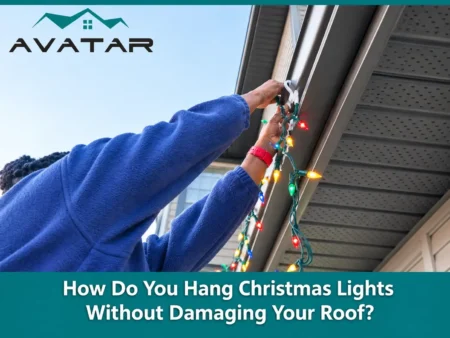
Gutter clips hook onto the lip of your gutter and hold each bulb upright. They don’t touch the roof at all, which makes them our first choice. Shingle tabs slide gently under the edge of a shingle with no nails. They work, but go easy so you don’t lift the shingle or break the seal. All-in-one clips fit either a gutter or a shingle edge, which is handy when your roofline changes. Whichever you pick, buy plastic clips that are UV-rated and made for outdoor use.
Fascia and Eave Options for Homes Without Gutters
No gutters? Outdoor adhesive clips can stick to fascia boards or eaves. Some homeowners also install a few small hooks in the fascia and leave them up year after year. Either way, you keep holes out of the roof itself.
Tile, Metal, and Flat Roofs: What’s Different
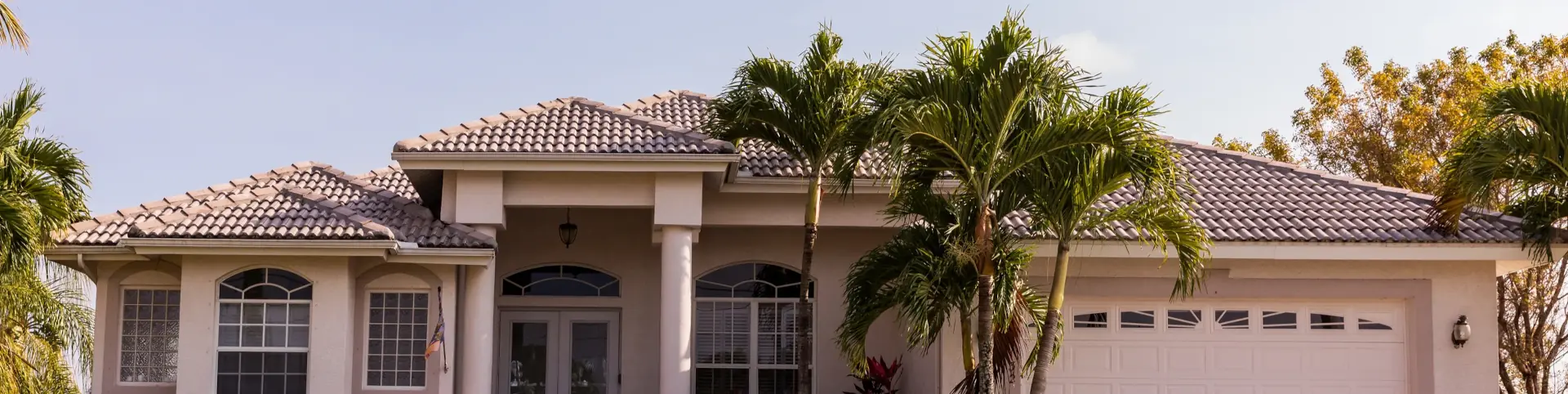
Concrete and clay tile roofs are common across Tampa Bay, from Davis Islands to New Tampa. Tile cracks easily underfoot, so never walk on it to hang lights. Use clips made for tile edges, or keep your lights on the gutters and fascia.
Metal roofs are popular in Florida, and magnetic clips are a great fit. They grab onto the panels without any screws or holes. On flat roofs, keep cords off the surface where water collects and away from drains and scuppers.
How Does Tampa’s Winter Weather Affect Holiday Light Installation?
Tampa doesn’t get snow, but winter isn’t always calm. The National Weather Service Tampa Bay office tracks the cold fronts that sweep through during the holiday season, and those fronts affect your display.
Cold-Front Wind Gusts and Rain
When a front passes, gusty winds and bursts of rain often follow. Loose strands whip around, and clips tug on shingles and gutters with every gust. Space your clips evenly and keep strands snug, but not stretched tight.
Sun, Heat, and Humidity on Clips and Wiring
Even in December, the Florida sun heats up roof surfaces. Cheap plastic can soften in the heat, then turn brittle and snap. UV-rated clips hold up much better. Humidity also keeps moisture on plugs and connections longer, so outdoor-rated lights and covered connections matter here.
Keeping Vents, Valleys, and Drainage Paths Clear
Don’t run lights across roof valleys, ridge vents, or downspouts. Valleys carry heavy water during storms, and vents need steady airflow. Cords in these spots can trap water and debris against the roof.
Step-by-Step: How to Hang Christmas Lights Without Damaging Your Roof
Inspect Your Roof First
Hurricane season ends November 30, right before most people start decorating. Storms can loosen shingles or flashing without obvious signs from the ground. Before you hang anything, inspect your roof or have a pro do it. Look for:
- Lifted, curled, or missing shingles
- Cracked or slipped tiles
- Bent or loose flashing around vents and chimneys
- Sagging gutters or a dipping roofline
- Soft, stained, or peeling fascia boards
Fix these problems first. Adding lights to a weak spot only makes it worse.
Stay Off the Roof: Ladder Placement and Telescoping Pole Tools
Walking on shingles scuffs off granules and can push nails loose. Walking on tile can crack it. Set a sturdy ladder on firm, level ground and have someone hold it while you work. For higher spots, a telescoping light-hanging pole lets you place clips from the ground. The U.S. Consumer Product Safety Commission shares helpful holiday safety tips, too.
Plan Runs, Power Sources, and Outdoor-Rated Cords
Measure your roofline before you shop, so you aren’t stretching strands to reach the outlet. Use only lights and extension cords labeled for outdoor use. Plug into GFCI outlets, which cut the power if water reaches a connection. Don’t overload circuits. Many Tampa-area communities also have HOA guidelines for displays, so check yours before you start.
How to Take Down Christmas Lights Without Causing Damage
Remove Clips One at a Time, Never Yank Strands
It’s tempting to grab one end and pull. That’s how gutters bend and shingles tear. Unclip each light one at a time, working from your ladder or pole tool.
Dry and Store Lights Properly
If your lights come down wet after a rainy week, let them dry fully before packing them away. Don’t leave damp strands sitting on the roof or in the gutters, since trapped moisture invites mildew. Wrap strands loosely around a piece of cardboard to avoid tangles next year.
Post-Season Check: Signs of Damage to Look For
Once everything is down, walk around your home and look up. Watch for leftover clips, lifted shingles, cracked tiles, bent gutters, or rust stains from old hooks. Inside, check your ceilings for new water spots after the next rain.
When Should You Call a Professional Roofer?
Call a roofer if you spot damage, have a steep or tile roof, or simply don’t want to climb. A pro can tell you whether you need a simple roof repair or whether a bigger issue, like aging decking, points toward a roof replacement down the road. If you find a leak after the holidays, don’t wait. Small leaks grow fast in Florida’s humid climate.
Learning how to hang Christmas lights without damaging your roof comes down to a few habits: use the right clips, stay off the shingles and tile, respect the weather, and take your time when the lights come down. For more ideas, read our guide to festive roof decor done right. If you’d like a pre-holiday inspection before the lights go up or a post-season check once they come down, reach out to Avatar Roofing. We’re glad to help Tampa Bay homeowners keep their roofs safe all year long.
Picture Credit: Depositphotos