


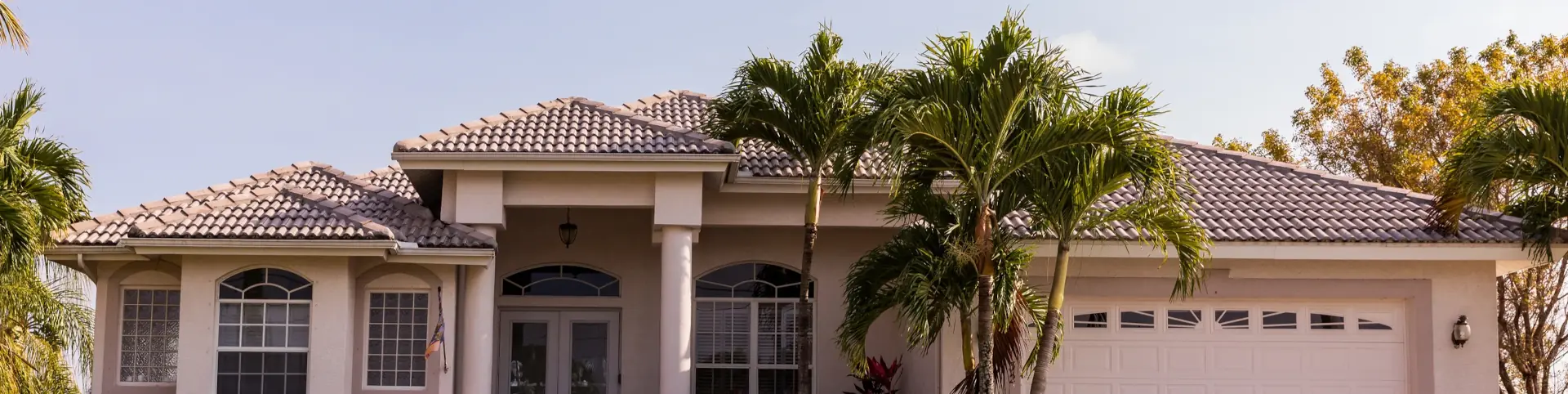
When it comes to your roof, having the right information makes all the difference. Whether you are planning a replacement, dealing with storm damage, or simply trying to understand your options, this page covers the questions we hear most often from homeowners across Tampa Bay.
Roofing decisions involve real investment, and we understand that cost, quality, and timing all matter. We have been serving residential and commercial clients since 2011, and our goal is to give you clear, honest answers so you can move forward with confidence. Browse the questions below, and if you don’t find what you are looking for, reach out. We are happy to help.
Is your roofing company licensed and fully insured?
Yes. We are a licensed, bonded, and insured roofing contractor. Our licensing confirms compliance with state requirements and building codes, while bonding ensures adherence to contract terms. We carry liability insurance and workers’ compensation to protect both homeowners and our crew throughout the project.
How long has your roofing company been in business?
We have been serving homeowners and businesses since 2011. Our experience includes a wide range of residential and commercial roofing projects across Florida. This longevity reflects consistent workmanship, reliable service, and strong relationships built over time.
Do you offer free roofing estimates?
Yes. We provide free roofing estimates that include a full inspection of your roof’s condition, materials, and any visible damage. After the evaluation, we deliver a clear written estimate with recommended solutions so you can make an informed decision without pressure.
Do you handle permits and inspections required by the city or county?
Yes. We manage the entire permitting and inspection process. This includes submitting project details, securing approvals, and scheduling required inspections to ensure all work meets local building codes and safety standards.
How Do I Know if My Roof Needs Repair or Full Replacement?
Common signs include missing shingles, leaks, sagging areas, or granules in gutters. Minor, isolated damage can often be repaired, while widespread issues or an aging roof may require replacement. Florida’s weather can accelerate wear, making early evaluation important. A professional inspection helps determine the condition of your roof and whether repair or replacement is the most cost-effective and reliable long-term solution.
What Roofing Materials Are Best for Homes in Tampa Bay?
Asphalt shingles are a popular choice due to affordability and reliable performance. Metal roofing offers durability, energy efficiency, and strong weather resistance. Tile roofing provides a long lifespan and distinctive appearance but requires structural support. Each option performs differently in Florida’s heat and storms. The best material depends on your budget, home design, and long-term goals, as well as proper installation to ensure lasting protection.
How Much Does a Roof Replacement Cost in Tampa Bay?
Roof replacement costs in Tampa Bay typically range from $7,000 to $25,000 or more, depending on roof size, materials, and complexity. Asphalt shingles are more affordable, while metal and tile increase costs. Additional factors, such as roof pitch, decking repairs, and ventilation upgrades, can affect pricing. A detailed estimate will outline all costs, including labor, materials, and warranties, helping homeowners understand the full investment.
What Is Included in a Professional Roof Inspection
A professional inspection reviews shingles, flashing, vents, gutters, and overall structural condition. Contractors also check attic ventilation and signs of moisture or damage. This process helps identify small issues before they become costly problems. In Florida, regular inspections are especially important after storms. A thorough evaluation provides clear documentation and recommendations, allowing homeowners to maintain their roof’s performance and extend its lifespan.
Will Homeowner’s Insurance Cover Roof Damage?
Homeowner’s insurance may cover damage caused by storms, wind, or falling debris. However, damage from age, wear, or lack of maintenance is typically not covered. Proper documentation, including photos and inspection reports, helps support a claim. Insurance adjusters will evaluate the damage based on policy terms. Understanding your coverage and acting quickly after damage occurs improves the chances of a successful claim.
What Financing Options Are Available for Roof Replacement?
Homeowners can choose from personal loans, home equity loans, lines of credit, or contractor financing programs. Each option varies in interest rates, approval requirements, and repayment terms. Some roofing companies offer structured payment plans to make projects more manageable. Reviewing loan terms and total costs is important before deciding. Financing allows homeowners to complete necessary roofing work without delaying protection for their property.
How Long Does Roof Installation Take?
Most residential roof replacements are completed within 1 to 3 days, depending on size, materials, and weather conditions. Larger homes or complex systems, such as tile or metal, may take longer. The process includes removing old materials, inspecting the structure, installing new components, and final cleanup. Weather can affect scheduling, especially in Florida. Clear communication ensures homeowners understand timelines and what to expect during installation.
What Is a Workmanship Warranty and Why Is It Important?
A workmanship warranty covers issues related to installation errors rather than material defects. It protects homeowners from problems caused by improper techniques, such as incorrect flashing or sealing. Warranty terms vary by contractor, so it is important to review coverage details. A robust workmanship warranty demonstrates confidence in the installation quality and assures homeowners that the roofing system will function correctly.
Can Roof Repairs Be Completed After Major Storms?
Yes, and repairs should be completed as soon as possible after a storm. Damage such as missing shingles, leaks, or lifted flashing can lead to further issues if left unaddressed. A professional inspection identifies both visible and hidden damage. Quick action helps prevent interior damage and supports insurance claims. Timely repairs restore the roof’s integrity and protect the home from additional exposure.
How Should I Prepare for a Roof Replacement Project?
Preparation includes clearing your driveway, protecting outdoor items, and securing fragile belongings inside your home. Vibrations during installation may affect wall hangings or loose items. It is also helpful to inform neighbors and keep pets in a safe area. A pre-project discussion with your contractor helps set expectations for timing and workflow. Proper preparation ensures a smoother process and minimizes disruption.
How Do Weather Conditions Affect Roofing Projects?
Weather conditions play a significant role in roofing work. Rain, high winds, and extreme heat can delay projects or impact installation quality. Moisture can affect material performance, while wind creates safety concerns. Contractors monitor forecasts and adjust schedules accordingly. In Florida, planning around seasonal weather patterns is essential. Proper timing ensures safe installation and helps maintain the durability and effectiveness of the roofing system.
How Often Should I Schedule Roof Maintenance?
Roof maintenance should be scheduled at least once per year, with additional inspections after major storms. Regular maintenance includes clearing debris, checking for damaged shingles, and ensuring proper drainage. Early detection of minor issues helps prevent costly repairs. In Florida’s climate, routine care is essential to protect against heat, humidity, and storm damage. Consistent maintenance helps extend the lifespan of your roofing system.