


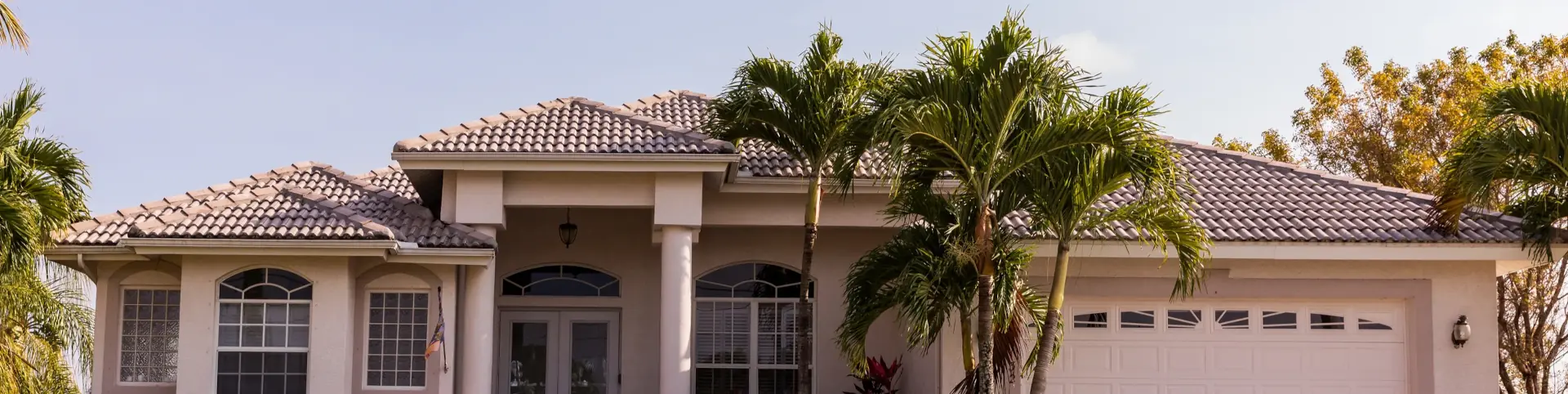

If you live in Tampa, you know the pattern. Spring is warm and pleasant. Then summer brings afternoon thunderstorms almost every day. The Atlantic hurricane season runs from June 1 to November 30, and the Florida sun and humidity work on your shingles all year long. That makes spring the best time to get your roof ready. These roof maintenance tips for Tampa homeowners are simple and practical. Some steps you can handle from the ground. Others are jobs for a professional roofer. Below are five roof maintenance tips that help Tampa homes get through storm season with fewer leaks and fewer surprises.
Why Does Spring Roof Maintenance Matter So Much in Tampa?
Think of spring as the preseason. The weather is drier, roofers are easier to schedule, and small problems are still small. Once storms start rolling across Tampa Bay, a loose shingle or a clogged gutter can turn into a ceiling stain fast.
Storms, Wind, and Hail: What Summer Does to Your Shingles
Summer storms in Hillsborough County bring heavy rain, gusty wind, and sometimes hail. Wind can lift the edges of shingles and break the seal that holds them down. Once that seal breaks, rain can blow underneath. Hail can crack shingles or knock their protective granules loose. A single tropical storm can do all of this in one afternoon.
Heat, UV, and Humidity: The Slow Damage You Don’t See
Not all roof damage is dramatic. Strong Florida sun dries out asphalt shingles and speeds up aging. High humidity feeds algae, which shows up as black streaks, along with mildew and wood rot. This slow wear weakens your roof, so it has a harder time standing up to the next big storm.
Tip 1: Why Should You Trim Tree Branches Over Your Roof?
Branches hanging over your roof are one of the most common causes of storm damage. A limb can look healthy and still snap in strong wind, then land right on your shingles.
Which Branches Are the Biggest Risk?
In neighborhoods like South Tampa, Seminole Heights, and Carrollwood, big live oaks shade a lot of homes. They look beautiful, but heavy limbs over a roof are a real risk. Palm fronds also break loose in storms and can scrape shingles or pile up in roof valleys. Watch for these problem spots:
- Low limbs that rub or scrape your shingles
- Dead, cracked, or leaning branches above the house
- Trees dropping leaves, twigs, and Spanish moss into your gutters
- Branches close enough to give squirrels and rodents a path onto your roof
Branches that rub the roof strip away granules and wear down the asphalt layers underneath. For large limbs, call a licensed tree service. Cutting branches from a ladder or a rooftop is dangerous work.
Tip 2: How Do You Safely Clear Debris Off Your Roof?
Leaves, twigs, acorns, and palm fronds collect on roofs, especially in valleys and behind chimneys. Debris holds moisture and heat against your shingles, which encourages algae and rot. Sharp sticks can also puncture shingles and lead to leaks.
Why You Should Never Pressure Wash Shingles
Pressure washing looks like a fast fix for black streaks, but it can lift shingles, blast off granules, and force water under the roof. That leaves your roof more exposed to wind damage. If algae is the issue, ask a roofer about a gentle cleaning method that is safe for your shingle type.
Ground Level Safety Tips
- Use a leaf blower or a long roof rake from the ground to reach what you can.
- If you use a ladder, wear rubber soled shoes and have someone hold it steady.
- Stay off wet roofs, steep roofs, and two story roofs.
- Hire a pro for anything you can’t safely reach from the ground.
Tip 3: How Often Should You Clean Your Gutters in Tampa?
Nobody loves this chore, but clean gutters protect your roof, fascia, and foundation. Clean them in spring before the rainy season starts, then check them again after every big storm. Homes under oaks or pines may need cleaning more often.
When gutters clog, water backs up and sits along the roof edge. It can seep under your shingles and into the wood below. Add Tampa humidity, and you have the perfect setup for mildew and rot.
Warning Signs: Sagging, Pulling Away, Pests, and Shingle Granules
- Sections that sag or droop under the weight of wet debris
- Gutters pulling away from the house
- Insects, mice, or squirrels nesting in clogged spots
- Water spilling over the sides during a rainstorm
- Lots of shingle granules in your downspouts, which can mean your shingles are wearing out
Loose or sagging gutters should be refastened or replaced before storm season. High winds can rip a weak gutter right off the house.
Tip 4: Can You Replace Missing Shingles Yourself?
Walk around your home and look up at the roof. A pair of binoculars helps. Look for missing, cracked, curled, or lifted shingles, plus dark patches where granules are gone. Any of these can let water in once the summer rains start.
Why DIY Shingle Repairs Can Backfire
Swapping out a shingle looks simple, but small mistakes can cause bigger problems:
- The wrong nails can rust or fail to hold in high wind.
- Laying new shingles over old ones can trap moisture and hide damage.
- The wrong shingle type can crack, curl, or grow algae faster.
- Walking on damaged areas can break more shingles and cause leaks.
Even a small patch affects the health of your whole roof. That’s why many homeowners have a roofer check and replace missing shingles. If you have an asphalt roof, it helps to learn more about how asphalt shingles work and why proper installation matters.
Tip 5: What Should You Look for in Your Attic?
Your attic tells you a lot about your roof. In a Tampa summer, attics can get far hotter than the outdoor air. That heat bakes your shingles from below, and trapped moisture can rot the wood decking. Over time, both shorten the life of your roof.
Ventilation vs. Insulation: What Each One Does
These two get mixed up a lot, but they do different jobs. Ventilation moves air through the attic. Vents near the eaves pull cooler air in, and vents near the peak let hot, damp air escape. Insulation slows heat from moving into your living space. You need both. Good insulation keeps your home comfortable, while good ventilation protects the roof itself.
Attic Red Flags: Water Stains, Daylight, Musty Smells, Warped Decking
- Water stains or dark spots on the wood
- Daylight showing through the roof boards
- A musty smell or signs of mold
- Warped, soft, or sagging decking
- Damp or flattened insulation
If you spot any of these, call a roofer before storm season arrives.
When Should You Call a Professional Roofer in Tampa?
These roof maintenance tips help a lot, but some situations need a trained eye. Call a roofer if:
- A tropical storm or high wind event just passed through your area.
- You see leaks, ceiling stains, or water in the attic.
- Your roof is getting older and hasn’t been inspected in a while.
- Shingles are missing in spots you can’t safely reach.
- You need records of your roof’s condition for insurance.
Florida homeowners insurance companies look closely at roof age and condition. Regular inspections with photos and notes give you a clear record. That record can help when you renew a policy or file a claim after a storm.
Following these roof maintenance tips each spring is one of the easiest ways to protect your Tampa home before summer storms hit. If you’re ready for a roof inspection or replacement in Tampa and want a roofing contractor you can trust, contact Avatar Roofing by email or call us at 813-962-7663.